

Alternatives to Commentari
Commentari uses AI to turn complex regulations into clear summaries and draft effective public comments in seconds.
Explore 4 alternatives to Commentari. Compare features, pricing, and find the best fit for your needs.
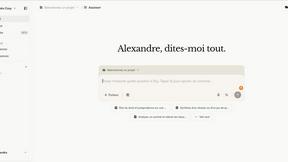

Arceus Legal
Arceus Legal delivers fast, fixed-price contract review and negotiation so growing companies can close deals without billable hours or delays.

Popform
Popform provides AI-powered contract management with unlimited e-signatures for a flat monthly fee.
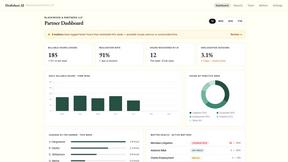
Draftsheet AI
Draftsheet AI automatically tracks lawyer work activity in real time to recover lost billable hours without capturing keystrokes or screenshots.
About Commentari Alternatives
Commentari is an AI-powered legal technology platform designed to help organizations and individuals generate substantive public comments in response to federal agency rulemaking and pending legislation. It falls under the legal technology and advocacy software category, bridging the gap between complex regulatory processes and effective stakeholder participation. Users often seek alternatives to Commentari for a variety of reasons, including a need for different pricing structures, a desire for more basic or more advanced features, or a requirement for integration with other specific advocacy tools they already use. Some may also be looking for a platform that supports different types of legal or policy workflows beyond administrative comments. When evaluating an alternative solution, organizations should prioritize platforms that offer genuine customization and avoid generic templates, as form letters are frequently dismissed by regulators. Look for tools that provide plain-language summaries of complex rules, identify legally relevant issues under the Administrative Procedure Act, and ensure each submission is unique and in the user's own voice. Additionally, consider the depth of campaign management features, such as branded submissions, citation verification, engagement metrics, and direct submission capabilities to official government portals like Regulations.gov. The quality of the underlying legal expertise and the platform’s ability to track nightly rule changes are also critical factors for serious advocacy efforts.
FAQs about Commentari Alternatives
What is Commentari?
Commentari is an AI-powered platform that converts a supporter's energy into legally actionable public comments for federal rulemaking and pending legislation. It was built by Eric Epstein, a 32-year veteran of the DOJ and ATF, to address the gap between the rapid pace of federal agency rule issuance and the ability of stakeholders to respond effectively. The platform summarizes complex rules in plain language, identifies issues agencies must address under the Administrative Procedure Act, and helps each supporter draft a unique, substantive comment in their own voice.
Who is Commentari for?
Commentari is designed for both individual stakeholders and organizations engaged in public advocacy. For individuals, it provides the tools to draft a unique, substantive comment that will not be dismissed as a form letter. For organizations, it offers branded campaigns, nightly rule tracking, citation verification, engagement metrics, and embeddable donation links to manage large-scale advocacy efforts effectively.
Is Commentari free?
Based on the provided product description, Commentari is a commercial platform built for organizations and serious advocacy campaigns. It is not described as a free service. The platform offers features such as branded campaigns, nightly rule tracking, and engagement metrics, which are typically associated with paid subscription or per-campaign pricing models. For specific pricing details, you would need to contact Commentari directly.
What are the main features of Commentari?
The core features of Commentari include its ability to summarize complex federal rules and pending legislation into plain language. It identifies legal issues that agencies must address under the Administrative Procedure Act and helps each supporter draft a unique, substantive comment in their own voice, without using templates or duplication. For organizations, additional features include branded campaign pages, nightly rule tracking, citation verification, engagement metrics, and embeddable donation links. All submissions are sent directly to Regulations.gov and to Congress through authorized channels.