

happy oyster
Happy Oyster is a real-time AI world model that lets you create immersive environments, wander through them, and direct the story as it unfolds.
product Details
Explore More
Alternatives
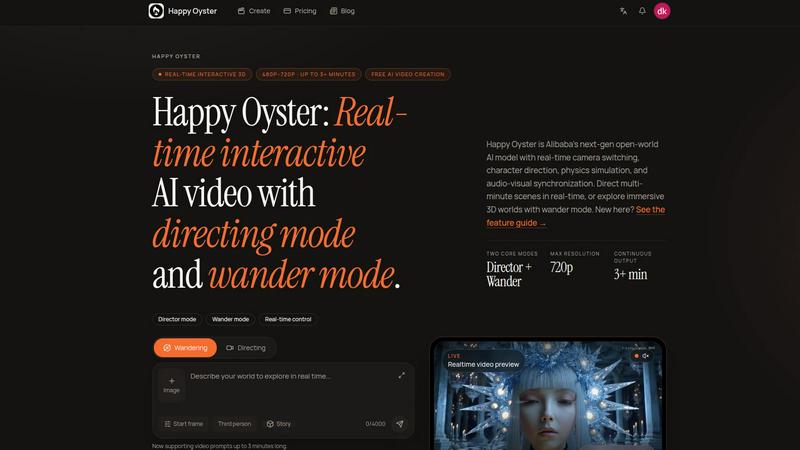
About happy oyster
Happy Oyster is an independent AI video platform that redefines how creators interact with generative media. Unlike traditional AI video tools that rely on random prompts and hope for the best, Happy Oyster puts you in the director's seat with structured inputs, reference images, and production-ready settings. At its core, the platform operates on a world model paradigm: instead of generating isolated clips, you create entire 3D worlds that persist, respond, and evolve. You can then wander through these worlds in first- or third-person view, or direct the camera and story with precision. This dual approach—wandering for exploration and directing for control—makes Happy Oyster uniquely suited for professionals who need consistency, intentionality, and commercial-grade output. The platform supports roughly 3 minutes of directing and 1 minute of wandering per world prompt, with real-time previews that allow iterative refinement. Built for marketers, e-commerce teams, creators, and artists, Happy Oyster offers transparent credits and commercial usage rights, subject to terms and your rights to uploaded materials. New users get 500 free credits on sign-up with no card required, making it easy to explore the platform's capabilities risk-free. Happy Oyster is not affiliated with any major tech conglomerates; it is an independent workspace built specifically for storytellers who demand control over their creative process.
Features
Director Mode
Director Mode is the platform's primary tool for intentional, structured video creation. You define every element of the scene: subject, environment, lighting, camera motion, and action. Upload reference images to anchor the visual style and ensure consistency across outputs. Export options include 5-second, 10-second, or 15-second clips in multiple aspect ratios at 720p resolution. This mode eliminates randomness by giving you granular control over each production variable, making it ideal for creating polished, repeatable video assets.
Wander Mode
Wander Mode offers a freeform exploration experience within AI-generated 3D worlds. You navigate these environments in either first-person or third-person view, allowing you to scout concepts, test visual tones, and gather inspiration organically. This mode is perfect for mood boarding, ambient content creation, and early-stage concept development. The worlds persist and respond as you move, providing a dynamic sandbox for creative discovery without the pressure of producing a final output.
Real-Time World Preview
Happy Oyster provides a live, real-time preview of the generated world as you build it. This feature allows you to see how changes to your inputs affect the scene immediately, enabling rapid iteration and fine-tuning. Instead of waiting for a render to complete before evaluating the result, you can adjust parameters on the fly and see the world evolve in front of you. This real-time feedback loop significantly reduces production time and enhances creative control.
Reference Image Support
The platform allows you to upload reference images to anchor the visual style, composition, and atmosphere of your generated worlds and videos. This feature ensures that the AI output aligns closely with your creative vision, whether you are replicating a specific brand aesthetic, matching a particular lighting setup, or maintaining character consistency across multiple shots. Reference images act as a visual guide, reducing guesswork and increasing the predictability of the final result.
Use Cases
Marketers Turning Briefs into Video Drafts
Marketers can use Happy Oyster to rapidly transform creative briefs into video drafts for campaigns, social media, and internal presentations. By using Director Mode to define subject, environment, and action, they can produce multiple variations of a concept in minutes. The reference image support ensures brand consistency, while the real-time preview allows for quick feedback and iteration. This dramatically shortens the time from idea to visual asset, enabling faster decision-making and more agile campaign development.
E-commerce Product Visualization
E-commerce teams can bring static product photos to life by adding controlled motion and environment. Using reference images of the product, they can create short video clips that showcase the item from different angles, in various lighting conditions, or with subtle camera movements. These videos can be used for product pages, social media ads, and email marketing campaigns. The structured inputs in Director Mode ensure the product remains the focal point while the environment enhances its appeal.
Creators Prototyping Hooks and Reels
Content creators and social media managers can use Happy Oyster to prototype video hooks and short-form reels with precision. Instead of filming multiple takes or relying on stock footage, they can generate test clips that match their intended narrative, visual style, and pacing. The 5-second and 10-second export options are ideal for platforms like TikTok, Instagram Reels, and YouTube Shorts. This allows creators to validate concepts before committing to full production, saving time and resources.
Artists Blocking Scenes and Testing Visual Tone
Artists and pre-production teams can use Happy Oyster to block out scenes and test visual tone before moving to full-scale production. By creating a world with specific landmarks, scale, atmosphere, and characters, they can explore different camera angles, lighting setups, and color palettes in real time. Wander Mode is particularly useful for concept scouting and mood boarding, while Director Mode allows for precise scene composition. This capability helps streamline the pre-production pipeline and reduce costly revisions later.
Frequently Asked Questions
What is the difference between Director Mode and Wander Mode?
Director Mode is designed for intentional, structured video creation where you define subject, environment, lighting, camera motion, and action. It provides granular control over every element and supports exporting clips in 5s/10s/15s durations. Wander Mode, on the other hand, is a freeform exploration tool that lets you navigate AI-generated 3D worlds in first- or third-person view. It is ideal for mood boarding, concept scouting, and ambient content creation without the pressure of producing a final output. Both modes operate within the same persistent world model.
How do reference images work in Happy Oyster?
Reference images serve as visual anchors for your generated worlds and videos. You can upload images that define the desired style, composition, lighting, or subject appearance. The AI uses these images to guide its generation process, ensuring the output aligns closely with your creative vision. This feature is particularly useful for maintaining brand consistency, replicating specific aesthetics, or matching a particular character design across multiple scenes. Reference images are uploaded directly within the creation interface.
What are the export options and resolution available?
In Director Mode, you can export video clips in three durations: 5 seconds, 10 seconds, and 15 seconds. The platform supports multiple aspect ratios to accommodate different platforms and use cases. All exports are rendered at 720p resolution. For world-based content created in Wander Mode, the output is experienced in real-time within the platform rather than exported as a traditional video file. The platform currently supports roughly 3 minutes of directing and 1 minute of wandering per world prompt.
Is Happy Oyster free to use and what are the commercial usage rights?
Happy Oyster offers a free start with 500 credits upon sign-up, and no credit card is required. These credits allow you to explore the platform's features and create initial projects. Regarding commercial usage, the platform provides transparent credits and commercial usage rights for content created using the tool. However, these rights are subject to the platform's Terms of Service and your rights to any materials you upload. It is recommended to review the full terms and acceptable use policy on the website for complete details.
Similar to happy oyster
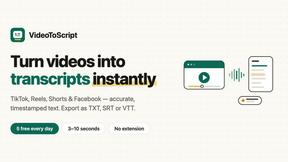
VideoToScript
Turn TikTok, Reels, Shorts, Facebook videos, audio, and video into accurate timestamped transcripts with TXT, SRT, and VTT exports.
Artaivo
Create AI videos, images, avatars, and audio in one creative workspace.
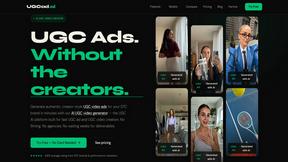
UGCad AI
AI UGC video ad Generator which Turn a URL, prompt, or template into a ready video ads
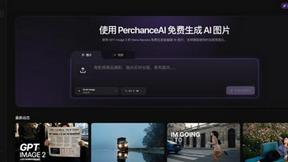
PerchanceAI
PerchanceAI is an AI creative studio for image generation, editing, background removal, product photos, and image-to-video creation.
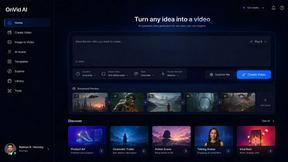
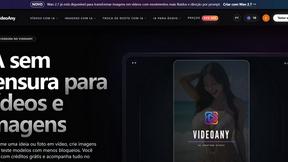
VideoAny BR
Create AI videos from text or images, generate images and audio in one online studio.
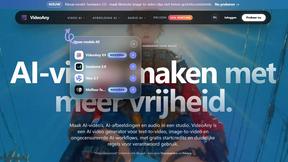
VideoAny BE
Create AI videos from text or images, generate images and audio in one online studio.
HubVanta AI
HubVanta AI helps creators generate images and videos with advanced AI tools for visual content workflows.